
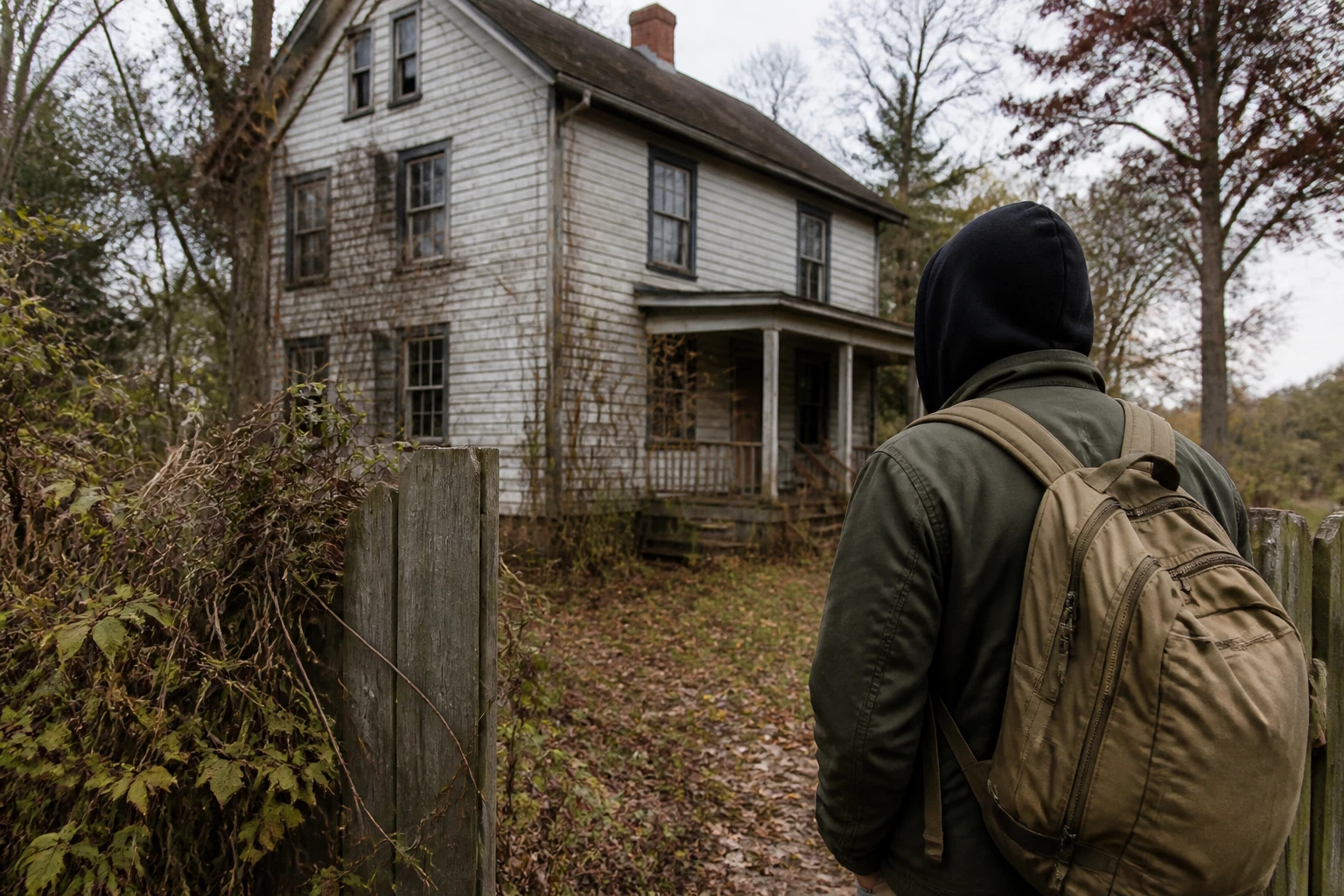
For those researching squatters rights ontario, legally known as adverse possession, the reality is that they are virtually nonexistent today because Section 51 of the Land Titles Act explicitly bars new claims. To successfully claim title, an occupier must prove 10 continuous years of exclusive, adverse use that concluded entirely before the specific property was converted from the historical Registry Act system.
According to Protect Your Boundaries, 99.9% of properties in the province are now registered under the Land Titles system, making new filings impossible. Furthermore, residential trespassers gain no property rights and are simply removed under the Trespass to Property Act.
Understanding Squatters Rights Ontario: Do They Still Exist?
Yes, but they are exceptionally rare today because 99.9% of properties in the province are now registered under the Land Titles system, which strictly prohibits new claims. In Ontario real estate law, what the public colloquially refers to as squatters rights ontario is actually the formal legal doctrine of adverse possession.
Under the Real Property Limitations Act, a person could historically claim possessory title to land if they maintained actual, open, continuous, and exclusive possession of it for a statutory minimum of 10 years. Crucially, this occupation had to be adverse—meaning it was done without the true owner’s permission and with the specific intent to exclude them.
Today, the popular fear of a stranger breaking into a vacant house and legally seizing ownership is a myth. Residential trespassers, uninvited houseguests, and overholding tenants do not acquire adverse possession rights. Permissive occupation immediately negates any adverse intent. Instead, unauthorized residential occupants are dealt with through police enforcement under the Trespass to Property Act or eviction through the Landlord and Tenant Board (LTB). If you are dealing with a hostile occupant, executing your Landlords Rights Ontario is the correct legal framework for removing them, rather than defending a possessory title claim.
The definitive roadblock for modern squatters is Section 51 of Ontario’s Land Titles Act. This legislation completely abolishes new claims of adverse possession once a property is moved into the Land Titles system. With property data firm Protect Your Boundaries reporting that 99.9% of Ontario land is now converted to this system, successful claims today are almost entirely isolated to historical boundary disputes. For an adverse possession claim to hold up in an Ontario court now, the squatter must prove their full 10-year period of exclusive occupation was completed before the property’s administrative conversion from the older Registry Act.

The Legal Mechanics: Adverse Possession vs. Trespass
In Ontario, moving into an empty house today makes an occupant a trespasser, not a lawful claimant of property title. The distinction between adverse possession and trespass hinges on time, permission, and how the law categorizes the occupation.
Modern unauthorized occupants—whether break-in squatters or uninvited houseguests—are governed by the Trespass to Property Act (Ontario). Their presence is an immediate legal violation, and property owners can involve local police for their removal. Similarly, if a tenant stays past their lease or stops paying rent, they do not acquire property rights. Overholding tenants are regulated strictly by the Residential Tenancies Act and the Landlord and Tenant Board (LTB). To remove them, owners must secure a formal order and execute a sheriff eviction in Ontario. Because a lease begins with the owner’s permission, it completely negates the “adverse” intent required to ever claim ownership.
The 10-Year Rule Under the Real Property Limitations Act
True “squatters rights” refer to the legal doctrine of adverse possession. To successfully claim title under Ontario’s Real Property Limitations Act (R.S.O. 1990, c. L.15), an occupier must establish a statutory minimum of exactly 10 years of continuous, uninterrupted, and exclusive possession of the land.
The courts evaluate this 10-year period ruthlessly. The occupation must be actual, open, notorious, peaceful, and adverse to the true owner’s title. The possessor must use the land exactly as a true owner would, visibly enough that the actual owner could notice the encroachment, and critically, without the owner’s consent. If a property owner gives a neighbour permission to build a shed across the property line, the legal clock stops immediately. Consent destroys an adverse possession claim.
Furthermore, secretive occupation never qualifies. If someone hides inside an abandoned building, they fail the “open and notorious” requirement. While vacant properties in Ontario carry significant risks—including damage and liability—modern intruders acquire criminal trespass charges, not real estate deeds.
Why the Land Titles System Stopped Most Adverse Possession Claims
You cannot start a new adverse possession claim on almost any property in Ontario today. According to real estate boundary firm Protect Your Boundaries, 99.9% of properties in the province are now registered under the Land Titles system. Once a parcel enters this system, the clock on squatters rights permanently stops.
This barrier exists because of Section 51 of Ontario’s Land Titles Act. The statute explicitly abolishes the acquisition of title through adverse possession for any registered property. If an occupant attempts to claim land today based on a recent or ongoing possession, the claim is legally void.
Understanding LTCQ: Land Titles Conversion Qualified vs. Absolute
Historically, Ontario land was tracked under the older Registry Act, which permitted adverse possession. During the province’s massive effort to digitize property records into the OnLand portal, parcels were systematically converted to the Land Titles system. To succeed in an adverse possession claim now, an occupier must prove their 10-year statutory period of continuous, exclusive possession finished entirely before that specific administrative conversion date.
When reviewing a property’s title, you will encounter two main classifications that dictate adverse possession risk:
- Land Titles Conversion Qualified (LTCQ): These are properties administratively converted from the Registry Act. They carry a grandfather clause. If a squatter or neighbor completed their 10-year possession requirement prior to the exact date the property was converted, they can still file a historic claim.
- Land Titles Absolute (or Absolute Plus): This represents the highest level of title security. If a property holds this designation, all prospective and historical adverse possession claims are definitively barred. No grandfathered claims exist.
Because the province’s digital conversion cleanup is effectively complete, generating new property rights through possession is practically impossible. Modern unauthorized occupations are strictly trespassing or tenancy issues, which generally require swift eviction protocols and residential landlord advocacy rather than complex real estate title litigation.
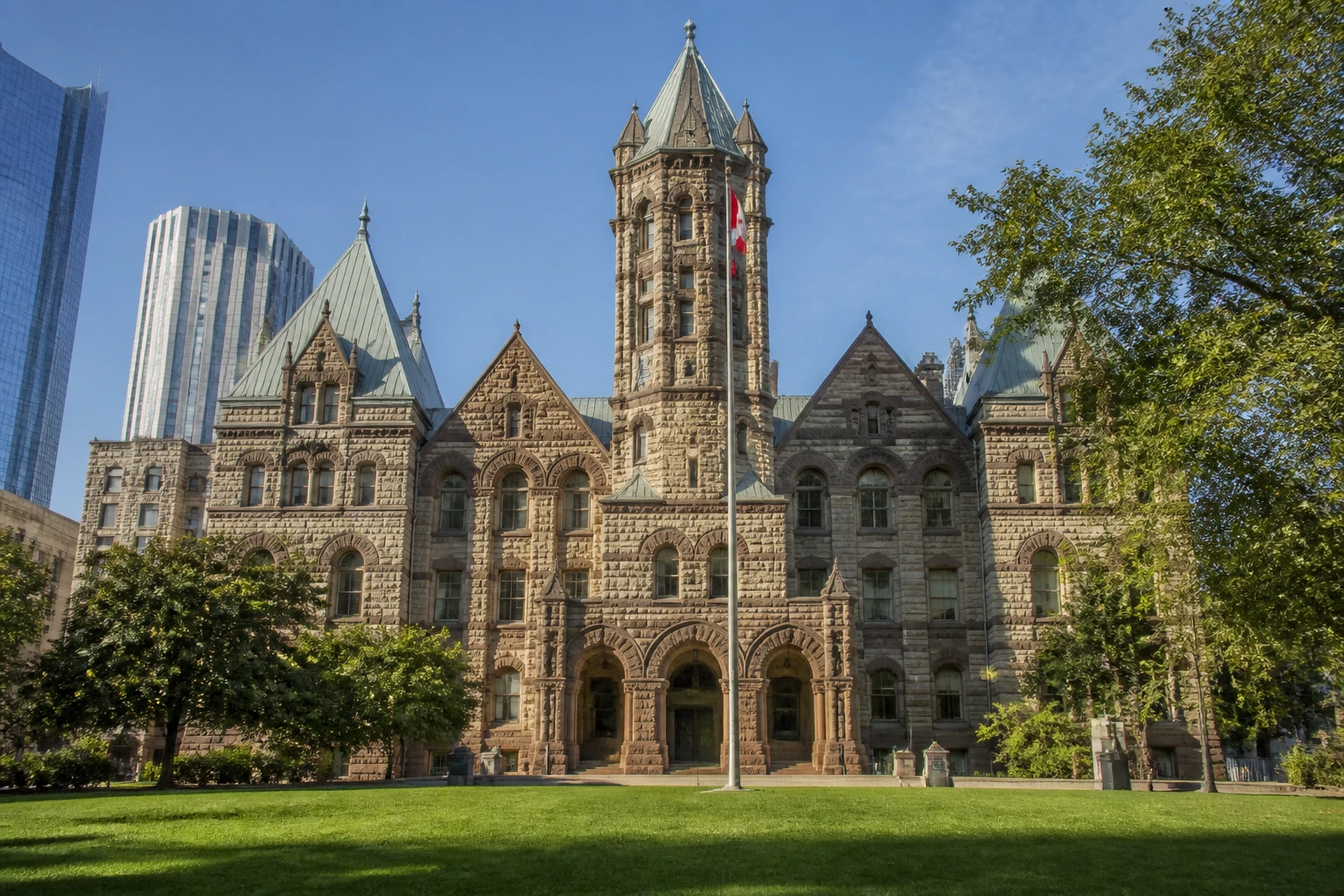
The Landmark Precedent: Kosicki v. Toronto (City)
In a 5-4 decision reported by Canadian Lawyer, the Supreme Court of Canada awarded a private property owner possessory title over 3,673 square feet of municipal parkland in Etobicoke. The ruling in Kosicki v. Toronto (City) serves as the definitive modern test for exactly how adverse possession functions in Ontario today.
The homeowners won because they met a strict, uncompromising timeline. They successfully demonstrated that the 10-year statutory minimum duration of continuous, open, and exclusive possession required by the Real Property Limitations Act was completed long before the parcel was administratively converted to the Land Titles system. By the time the City of Toronto registered the land, the homeowners’ possessory rights had already crystallized.
The City of Toronto fought the claim on public interest grounds. They argued that common law should automatically exempt municipal parkland from adverse possession because the land is held for the benefit of the public, making it immune to private takeover.
The Supreme Court explicitly rejected that defense. The majority ruled that judges do not have the authority to invent common-law exemptions to bypass clear provincial legislation. Because the legislature did not write a specific statutory shield for municipal lands into the law at the time, the property remained legally vulnerable to the claim.
For property owners and legal practitioners, the Kosicki precedent highlights the absolute rigidity of the transition to Land Titles Conversion Qualified (LTCQ). The Supreme Court did not expand adverse possession; it simply enforced the historical cutoff. If the homeowners’ 10-year clock had fallen even one day short before the City converted the title, the claim would have been completely barred by the Land Titles Act. Because the timeframe was satisfied prior to conversion, not even the municipality’s public interest mandate could overturn the grandfathered property rights.
Can a Tenant or Houseguest Claim Squatters Rights Ontario?
No, a tenant, houseguest, or temporary roommate cannot claim squatters rights in Ontario because their initial entry onto the property was consensual. Under the Real Property Limitations Act, a valid adverse possession claim requires the occupation to be strictly “adverse”—meaning it must occur entirely without the true owner’s permission and with the clear intent to exclude them. The moment you hand someone a key, invite them to stay, or sign a lease, you grant permissive occupation. That permission instantly and permanently voids any future claim to possessory title, even if that person stays for decades.
Handling Overholding Tenants vs. Trespassers
Because residential occupants gain no property rights, the legal pathway to remove them depends strictly on how they originally entered the home:
- Overholding tenants: If a renter refuses to leave after a lease expires or stops paying rent, they do not suddenly transform into a squatter acquiring the deed. They remain a tenant governed by the Residential Tenancies Act. Landlords cannot change the locks or force them out physically; they must follow standard eviction protocols by filing an application through the Landlord and Tenant Board (LTB) to secure a legally enforceable eviction order.
- Unauthorized houseguests and strangers: Individuals who overstay a casual invitation, or strangers who break into a vacant home, hold no tenancy rights. They fall entirely outside the LTB’s jurisdiction. Property owners can rely on the Trespass to Property Act to deal with these unauthorized occupiers. Under this provincial legislation, property owners can contact local police to have trespassers immediately removed and penalized.
In short, a residential standoff with an unwanted occupant in Ontario is an eviction or trespassing issue, never an adverse possession threat.
Protecting Vacant Properties and Boundary Lines From Claims
The definitive way to protect your Ontario property from boundary disputes and squatters is to verify your registry status and physically secure the premises. Because section 51 of the Land Titles Act abolishes new adverse possession claims, your primary title risk comes from historic fence line encroachments, not modern trespassers.
According to Protect Your Boundaries, 99.9% of Ontario properties are currently registered under the Land Titles system. However, legacy boundary issues survive on properties classified as Land Titles Conversion Qualified (LTCQ). If a neighbour’s driveway or fence sat on your land for the statutory minimum of 10 years prior to your property’s conversion date, they may hold a grandfathered possessory claim. You can stop these claims and protect your parcel by taking three concrete steps:
- Inspect your title on OnLand: Use OnLand (the Ontario Land Registry Portal) to pull your property’s Parcel Identifier Number (PIN). If your parcel is registered as Land Titles Absolute, historic claims are definitively barred. If it remains LTCQ, you carry inherited boundary risk.
- Commission an up-to-date survey: Compare the legal boundaries to the physical fence lines. Never assume an existing fence or retaining wall marks the true property line.
- Document permissive use: Adverse possession requires the occupation to be hostile to your ownership. If a neighbour is encroaching, grant them a written, revocable license for that specific use. Permissive occupation instantly destroys the adverse intent required by the Real Property Limitations Act.
Securing a vacant residential or commercial building requires a different approach. Unauthorized occupants breaking into empty real estate today do not acquire possessory title. They are simply trespassing. Secure all entry points, install remote monitoring, and post clear no-trespassing signage. If you discover a squatter, contact local police immediately. Under the Trespass to Property Act (Ontario), law enforcement has the authority to swiftly remove residential trespassers without requiring a lengthy court eviction.
Frequently Asked Questions About Squatters Rights Ontario
How Can a Property Owner Remove an Unauthorized Occupant or Squatter?
Property owners remove true trespassers by contacting local police to enforce the Trespass to Property Act. If the occupant is an overholding tenant who originally had permission to stay, you must process the eviction through the Landlord and Tenant Board (LTB). Uninvited houseguests and residential squatters gain no property rights and can be removed legally without a title dispute.
Can a Neighbour Claim Adverse Possession Over a Shared Fence Line in Toronto?
A neighbour can only claim adverse possession over an encroaching fence if they completed the strict 10-year possession requirement before the property was converted to the Land Titles system. Because 99.9% of Ontario properties are now registered under this system, new boundary claims are exceedingly rare. Once a title is upgraded and registered as Land Titles Absolute, all historical and future claims are definitively barred.
Can someone claim squatters rights on my residential rental unit in Ontario?
No, a squatter cannot take ownership of your active residential home or rental unit. Adverse possession requires the occupier to possess the land with the clear intent to exclude the true owner. Permissive occupation—such as signing a lease, paying rent, or staying as an invited guest—legally negates this adverse intent. These disputes are governed by standard landlord-tenant law, not real estate title law.
What is the 10-year rule for adverse possession in Ontario?
The Real Property Limitations Act historically required 10 consecutive years of actual, open, notorious, peaceful, exclusive, and adverse possession to claim title. Today, the clock for that 10-year period stopped running the day a parcel transitioned from the Registry Act to the Land Titles system. For a claim to succeed now, the entire decade of possession must have concluded before that specific administrative conversion date.
Protect Your Property Rights with Legal Matters Toronto
You do not have to navigate boundary disputes or unauthorized occupants on your own. Legal Matters Toronto provides dedicated legal advocacy for property owners across the Greater Toronto Area who need to defend their property lines or remove overholding occupants.
Whether you are dealing with a historical fence encroachment or a tenant refusing to vacate, the legal pathway you choose determines how quickly you recover full control of your property. We represent GTA landlords and homeowners in three core areas:
- Defending Boundary Lines: While data from Protect Your Boundaries indicates that 99.9% of Ontario properties are now registered under the Land Titles system, historical encroachments on Land Titles Conversion Qualified (LTCQ) parcels still trigger complex disputes. We help you quiet title and block grandfathered adverse possession claims before they become permanent.
- Executing Lawful Evictions: Overholding tenants and unauthorized houseguests do not acquire property rights, but removing them requires strict compliance with the Landlord and Tenant Board (LTB). We handle the procedural filings to prevent costly tribunal delays and ensure lawful evictions.
- Trespasser Removal: If an uninvited occupant takes over a vacant property, we guide you through the immediate enforcement mechanisms available to property owners under the Trespass to Property Act, allowing you to reclaim your space without waiting on tribunal backlogs.
Delaying action on a property dispute rarely resolves it. Every month an unauthorized occupant remains in your unit costs you unrecoverable rental revenue, and ignoring a neighbour’s fence encroachment can permanently alter your legal boundaries.
Secure your borders and regain control of your real estate assets. Book a strategy call with Legal Matters Toronto today to assess your title status, determine the exact legal mechanism required for your situation, and initiate the formal removal process.
Frequently Asked Questions
Can someone claim squatters rights on my residential home or rental unit in Ontario?
No, unauthorized occupants, uninvited houseguests, and overholding tenants cannot claim squatters rights ontario on residential properties. Permissive occupation completely negates the “adverse” intent required for a claim, meaning residential trespassers gain no title rights simply by staying in your home. Removing these individuals falls under the Trespass to Property Act or the Landlord and Tenant Board (LTB), with enforcement handled by local police or sheriffs.
How does the conversion to the Land Titles system stop squatter claims?
Section 51 of the Land Titles Act explicitly abolishes any new claims of adverse possession once a property is registered in the system. According to Protect Your Boundaries, 99.9% of land in the province is currently registered under the Land Titles system, meaning the ability to start a new adverse possession claim today is virtually non-existent.
What is the 10-year rule for adverse possession in Ontario?
Under the Real Property Limitations Act, an occupier historically needed 10 consecutive years of open, continuous, and exclusive use to claim possessory title of a property. Today, this entire 10-year statutory period must have been fully completed prior to the property’s administrative conversion from the historical Registry Act to the Land Titles system.
What is the difference between Land Titles Conversion Qualified (LTCQ) and Land Titles Absolute?
Land Titles Conversion Qualified (LTCQ) means a property was administratively moved to the Land Titles system but remains subject to any mature, pre-existing adverse possession claims that ripened during its time under the Registry Act. Once a property is fully upgraded to Land Titles Absolute (or Absolute Plus), all historical and prospective adverse possession claims are definitively barred forever.
Can adverse possession apply to municipal parkland or city property?
Yes, but only if the historical possession requirements were met before the land’s registry conversion. As reported by Canadian Lawyer Magazine, the Supreme Court of Canada recently delivered a 5-4 decision in Kosicki v. Toronto (City) confirming that a 3,673 square foot parcel of municipal parkland was successfully claimed via adverse possession because the 10-year period was satisfied before the land entered the Land Titles system.
Historical encroachments and boundary disputes require precise legal strategy, especially when navigating transition dates and Land Titles Conversion Qualified records on the OnLand portal. If you are dealing with an unauthorized occupant, an overstepping neighbour, or need to defend your property line against a legacy claim, get in touch with our real estate litigation team to review your title and secure your land.